Using Simulations, Gamification, and AI Feedback to Capture Modern Learners
In a world of endless notifications and short attention spans, keeping learners engaged is harder than ever. Integrating simulations, gamification, and AI-driven feedback into learning content offers an effective way to capture interest and sustain focus. These elements achieved using LiveCase transform passive learning into an interactive experience that encourages active participation and real-time problem-solving.
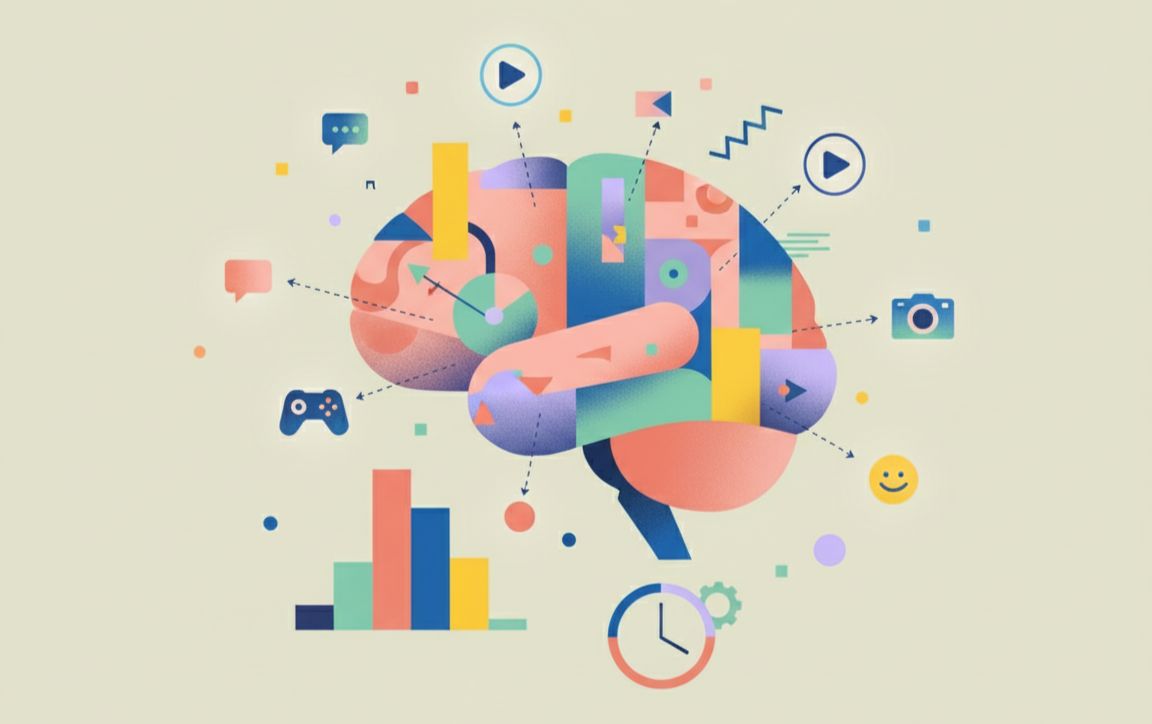
Unlike traditional modules or static case studies, LiveCase brings the classroom or boardroom to life. Simulations allow learners to practice decision-making in realistic scenarios, while gamification introduces motivational elements such as challenges and rewards. AI feedback enhances this by adapting the content to individual needs, making the learning process more relevant and efficient.
Key Takeaways
- Interactive formats help maintain learner attention effectively.
- Realistic scenarios boost practical understanding and retention.
- Personalized feedback improves learner progress and engagement.
Understanding Short Attention Spans
Modern learners are juggling constant digital input and distractions. Learners often switch between tasks, reducing the time available for sustained focus. With shorter focus spans and higher expectations for immediacy, educators face pressure to create learning that’s sharp, meaningful, and dynamic.
LiveCase simulations are built for exactly that environment. Each scenario is short, structured, and outcome-driven, allowing learners to focus in bursts while staying immersed. This design mirrors how people now absorb information, through bite-sized, interactive experiences that invite curiosity instead of fatigue.
Common Challenges in Module Engagement
Lengthy modules that overload information, lack interaction or feedback often fail to maintain interest. Passive delivery methods lead to wandering attention and lower knowledge retention.
To address this, incorporating short quizzes, interactive scenarios, and immediate feedback can refresh focus and sustain motivation. Structured pause points allow learners to process material before moving on.
To sustain engagement, LiveCase uses progress tracking, challenges, and recognition systems. Educators can reward achievement through progress levels, badges, and outcome milestones, all while ensuring learning objectives stay front and center.
Integrating Simulations and Gamification
Designing Realistic Simulations
Effective simulations mirror real workplace challenges using authentic data, roles, and scenarios that match learners’ actual tasks. By offering safe spaces for trial and error with immediate feedback, they promote reflection and adaptability. Branching scenarios deepen engagement by providing multiple paths and outcomes, while visual and interactive elements enhance immersion and make complex ideas.
Elements of Effective Gamification
Gamification uses game design principles to boost learner engagement and motivation.
The design must remain aligned with learning objectives to avoid distractions. Gamification should simplify access to content and encourage consistent participation without overwhelming the learner. Social features, such as teamwork or competition, drive participation and commitment.
The design must remain aligned with learning objectives to avoid distractions. Gamification should simplify access to content and encourage consistent participation without overwhelming the learner.
Harnessing AI Feedback for Engagement
Clear goals and feedback loops are critical. Progress indicators show learners how far they've come and what remains.
LiveCase simulations use AI-driven analytics to personalize the learning journey. As learners make decisions, the system provides instant, targeted feedback, highlighting strengths, suggesting improvements, and adapting future challenges accordingly. This kind of dynamic feedback loop helps learners course-correct before misconceptions set in.
The combination of personalized, instant feedback ultimately promotes deeper comprehension and higher retention rates, aligning with modern educational goals focused on effective, learner-centered approaches.
Maintaining Learner Motivation
Motivation hinges on relevance, autonomy, and recognition. Modules should clearly connect training content to real-world job tasks to boost perceived value.
Offering choices in learning paths and goals supports autonomy, increasing learner commitment. Gamification rewards, such as badges and leaderboards, foster healthy competition and acknowledgment.
Periodic AI-generated personalized feedback keeps learners informed about their progress and areas for growth. These techniques together create a consistent drive for participation and knowledge retention.
Despite the noise of modern life, learners keep telling us, LiveCase made learning worth paying attention to and fun.
Explore some of our cases here.
